


Call Us

02 42068378
Office Hours: 9am-5pm

Training Portal

Bookings, Enquiries, RPL

logo 1
Beyond the Warehouse | Essential Tickets for Port and Logistics Jobs in the Illawarra

Beyond the Warehouse | Essential Tickets for Port and Logistics Jobs in the Illawarra

The Supply Chain Champions: Your Guide to a Career in Illawarra’s Logistics & Ports

Every single day, thousands of tonnes of goods flow through the Illawarra. From the massive ships at Port Kembla to the bustling warehouses and transport depots that dot our region, this is the engine room of our local economy. The Illawarra Shoalhaven Regional Plan 2041 identifies the growth of Port Kembla as an international trade hub as a top priority, with the potential to create up to 30,000 new jobs in linked industries.  This is a world of constant movement, where efficiency and safety are everything. A career in logistics and port operations is a career in a sector that never sleeps. But to be a part of it, you need the right qualifications. This isn’t just about driving a truck or a forklift; it’s about being a trusted professional in a high-stakes environment.

This guide will break down the key operational areas within the Illawarra’s logistics sector and show you the specific licences that will open doors.

The Heart of the Operation | The Warehouse and Yard

The modern warehouse is a high-tech, fast-paced environment. It’s the central hub where goods are received, sorted, stored, and dispatched.

King of the Aisles, The Forklift Licence (LF)

The forklift is the undisputed workhorse of any warehouse or yard. If you want a job in this environment, a Forklift Operations licence is the single most important qualification you can have.

  • What you don’t know: This isn’t just a simple competency; it’s a High-Risk Work Licence (HRWL). That means it’s nationally recognised and requires you to be formally assessed as competent to operate safely.
  • The environment: You’ll be working in tight spaces, loading and unloading trucks against the clock, and navigating around pedestrians and other machinery. Formal training teaches you about load stability, reading data plates, and maintaining situational awareness—skills that prevent accidents and make you an efficient, valuable operator.

The Heavy Hitters | Port Operations & Bulk Loading

When you move from a standard warehouse to a major facility like Port Kembla, the scale changes dramatically. Here, you’re dealing with shipping containers, heavy machinery, and bulk materials that weigh many tonnes. This is where advanced high-risk skills are essential.

The Art of the Heavy Lift: Dogging, Rigging & Cranes

Lifting a 20-tonne container off a ship is a world away from moving a pallet. This is where the lifting professionals come in.

  • Dogging (DG): Just like on a construction site, the dogger is essential for any crane lift. They are responsible for inspecting lifting gear, applying the correct slinging methods, and directing the crane operator to move the load safely from ship to shore, or from truck to storage.
  • Rigging (RB, RI, RA): Riggers are needed for more complex tasks, such as assembling and dismantling temporary structures, working with specialised lifting equipment, and managing unconventional or unbalanced loads.
  • Slewing Mobile Cranes (C6): These versatile cranes are the backbone of many port operations, able to move around the site and perform a huge variety of lifts. Operating a crane with a capacity of up to 60 tonnes requires a C6 High-Risk Work Licence and is a highly sought-after skill.

Connecting the Dots | Transport and Haulage

The final link in the supply chain is the transport network that moves goods from the port or warehouse to their final destination. This requires skilled, professional drivers who hold the correct class of licence.

On the Road, Heavy Vehicle Licences

  • HR (Heavy Rigid): This allows you to drive trucks with three or more axles. It’s a common licence for local delivery and transport roles.
  • HC (Heavy Combination): This is for semi-trailers, the most common type of truck for long-distance and B2B freight.
  • MC (Multi Combination): This is the highest class of licence, for operating B-doubles and road trains.

Holding a Heavy Vehicle Licence opens up a huge range of career opportunities, from local delivery runs to interstate haulage.

The Human Factor | Safety in a 24/7 World

The logistics industry operates under constant pressure, which makes a focus on human safety absolutely critical.

  • Provide First Aid: In a fast-paced environment with heavy machinery, being able to provide an immediate response to an injury is vital. A Provide First Aid qualification is a huge asset.
  • Mental Wellbeing: The life of a transport worker or logistics operator can be demanding. Factors like social isolation, tight deadlines, and shift work can take a significant toll on mental health. A Mental Health First Aid course provides the skills to recognise when a colleague is struggling and the confidence to offer support, fostering a safer and more positive workplace culture for everyone.  From the warehouse floor to the driver’s seat of a B-double, the Illawarra’s logistics sector offers a diverse range of career paths, each one starting with the right nationally recognised qualification.

References:

  • Illawarra Shoalhaven Regional Plan 2041.  
  • Property Council of Australia, ‘Backing the Illawarra Shoalhaven: Invest to Support Growth’ Media Release.   
  • Monash University, ‘Why investing in truck drivers’ health is crucial’ Research.
  • icare NSW, ‘Mental health injuries in the truck driving industry’. 
  • All Onsite Training and Assessment, Mental Health First Aid Course Information.

Ready to unlock your full potential? Explore our website further to discover the perfect training path for you. Or, if you have any questions or need personalised guidance, don’t hesitate to contact us. Our friendly team is here to support you every step of the way.

Remember, your dream career is within reach. With AOTA by your side, you can build the skills, confidence, and qualifications you need to succeed. So, take the first step today and start building your future!

Dedicated to your success

Nigel

Know the Risk | Interactive Hazard Finder

From high-risk zones to hidden hazards, this interactive tool helps you identify worksite dangers and shows you the safety training to tackle them confidently.
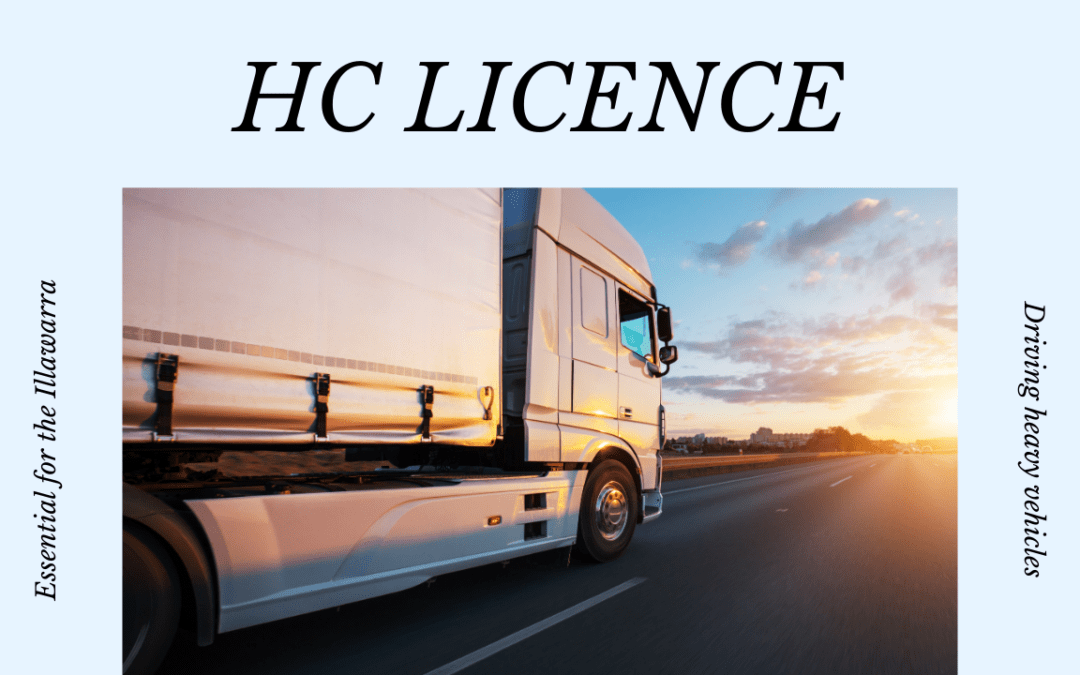
What is a HC Licence and Why is it Essential in the Illawarra in 2025?

What is a HC Licence and Why is it Essential in the Illawarra in 2025?

From Coffee Run to Cross-Country Hauls – The HC Licence Journey

Imagine this, you’re stuck in traffic on the Princes Highway, late for a coffee run. Next to you, a massive truck and dog trailer effortlessly merges, hauling what looks like enough steel to build a skyscraper. That driver, cool as a cucumber behind the wheel, isn’t just driving a truck; they’re commanding a beast. They hold the key to keeping the Illawarra’s economy moving – a Heavy Combination (HC) licence. And in a region like ours, pulsating with industry, that licence is pure gold.

You see, the Illawarra isn’t just about beautiful beaches. We’re a powerhouse of industry, a vital link in Australia’s supply chain. From the roaring furnaces of BlueScope Steel to the bustling docks of Port Kembla, goods are constantly on the move. And who’s making those moves happen? HC drivers. According to the Australian Industry Standards’ March 2023 release of the Transport and Logistics Bulletin, there’s a 25% job vacancy rate in road freight transport across Australia. That number is likely even higher in booming regions like ours. That means skilled HC drivers are in serious demand. Getting your HC licence isn’t just about a job; it’s about becoming an essential part of the Illawarra’s economic engine and securing a stable, well-paid career. The job is also seeing a consistent 14% expected growth over the next five years.

Understanding the HC Licence, More Than Just a Big Truck

So, what exactly is this magical HC licence? It’s not just about driving a big truck; it’s about mastering the art of handling heavy combination vehicles. Think of the biggest trucks you see on the road – the ones pulling long trailers, often carrying heavy loads.

What Vehicles Can You Drive?

With an HC licence, you’re qualified to operate:

  • Articulated trucks: These are your classic semi-trailers, the backbone of long-haul transport.
  • Truck and dog trailers: These rigs consist of a rigid truck towing a trailer that connects via a drawbar. They’re commonly used for construction materials, bulk goods, and heavy equipment.

Eligibility – Are You Ready to Roll?

Before you jump behind the wheel, there are a few boxes to tick:

  • Current driver’s licence: You need to have held a car (C class) licence for at least two years, or a medium rigid (MR) or heavy rigid (HR) licence for at least one year.
  • Eyesight test – You’ll need to pass a standard eyesight test to ensure you can safely navigate the roads.
  • Knowledge test – Passing the HC knowledge test shows you’re aware of road rules and the unique challenges of driving heavy combination vehicles.
  • Medical fitness – A medical assessment confirms you’re fit to handle the demands of the job.
  • Practical assessment – This is where you show off your driving skills under the watchful eye of an assessor.

The Importance of Proper Training – Don’t Skimp on Skills

Think you can just wing it? Think again. Driving a heavy combination vehicle is a whole different ball game compared to your average car. That’s why proper training with a registered training organisation (RTO) is absolutely crucial. A good RTO will not only help you meet the legal requirements but also teach you invaluable skills;

  • Safe operation – Learn how to handle these massive vehicles in various conditions, including tight corners, reversing, and navigating different road surfaces.
  • Load securing – Improperly secured loads are a major hazard. You’ll learn the correct techniques to ensure your cargo stays put. This is one of the most overlooked aspects of HC training, but is essential to safe driving. Many drivers learn bad habits in their driving career, and never really understand the nuances of proper load securing.
  • Pre-trip inspections – Develop a keen eye for spotting potential mechanical issues before they become major problems.
  • Fatigue management – Long hours behind the wheel can be tiring. Learn strategies to stay alert and avoid fatigue-related accidents. This is very important, as Transport for NSW research has shown that fatigue is a major cause in heavy vehicle accidents in Australia.

Here in the Illawarra, we’re lucky to have reputable RTOs that understand the specific needs of our local industries. They’ll not just teach you to pass the test, but also to thrive in the real-world conditions you’ll face on the job.

Why the Illawarra is Crying Out for HC Drivers

The Illawarra isn’t just any region, it’s a major industrial hub, and that means a constant flow of goods in and out. And that flow relies heavily on skilled HC drivers. Let’s break down why:

Port Kembla – The Heartbeat of the Illawarra’s Freight Network

Port Kembla is one of the largest ports in Australia, handling everything from coal and grain to motor vehicles and containers. Every ship that docks or departs means HC drivers are needed to move cargo to and from warehouses, distribution centers, and other businesses across the region and beyond. The ongoing expansion of the port only amplifies this demand. With the current plans to expand the Outer Harbour, the need for drivers will only increase.

Construction Boom – Building the Future, One Load at a Time

Drive around the Illawarra, and you’ll see construction everywhere – new homes, commercial buildings, and infrastructure projects. All those building materials – the steel, the concrete, the timber – they don’t magically appear on site. HC drivers, particularly those with truck and dog trailer experience, are essential for delivering these materials, keeping construction projects on schedule. With major roadworks projects and Port Kembla harbour expansion, and being positioned as the next major container terminal the need for drivers is greater than ever.

The Illawarra’s Logistics Lifeline

The Illawarra’s strategic location between Sydney and the South Coast makes it a crucial link in the national logistics chain. Warehouses and distribution centers in areas like Unanderra and Dapto rely on HC drivers to transport goods to and from other parts of the state and country. As online shopping continues to grow, the demand for efficient logistics, and therefore HC drivers, will only intensify.

Local Businesses – The Unsung Heroes of HC Demand

It’s not just the big players. Countless local businesses in the Illawarra, from landscaping suppliers to waste management companies, rely on HC drivers for their daily operations. These businesses often offer stable, long-term employment opportunities for skilled drivers. Companies such as Bluescope Steel, South 32 mining, and Manildra are all looking for qualified HC drivers.

The Sweet Rewards of an HC Licence in the Illawarra

So, why should you consider getting your HC licence? Let’s talk benefits:

Earn More, Drive More

Let’s be honest, money matters. HC drivers are generally well-compensated for their skills and the demands of the job. You can expect to earn significantly more than drivers with lower-class licences. According to Talent.com, the average HC driver salary in Australia is around $75,000-$95,000 per year, and experienced drivers in high-demand areas like the Illawarra can earn even more. Many companies will offer bonuses for experienced drivers, and pay for travel and expenses.

Job Security – A Licence to Stability

In a world of uncertain job markets, the demand for HC drivers in the Illawarra offers a level of security that’s hard to beat. As long as industries are booming and goods need to move, your skills will be in demand, providing a stable career path. As mentioned before, job growth in this sector is expected to be 14% in the next five years.

Career Progression – Beyond the Driver’s Seat

Your HC licence can be a stepping stone to other opportunities in the transport and logistics industry. With experience, you could move into roles like:

  • Driver trainer – Share your expertise and help train the next generation of HC drivers.
  • Operations supervisor – Oversee the scheduling and coordination of transport operations.
  • Logistics manager – Take on a more strategic role, managing the flow of goods and optimizing supply chains.
  • Heavy haulage specialist – Move into the exciting and very lucrative world of transporting oversized and overweight loads.

The Local Advantage – Training Tailored to the Illawarra

Choosing a local RTO for your HC training gives you a unique advantage. They understand the specific challenges and opportunities of driving in the Illawarra. They’re familiar with the local roads, the industries, and the employers. This local knowledge can make a big difference in your training and job prospects. Many local RTO’s will have industry connections with large companies, meaning that completing your training with them can often lead to immediate employment.

Ready to Hit the Road? Your HC Journey Starts Now

Getting your HC licence is a smart move for anyone seeking a rewarding and secure career in the Illawarra. The region’s industries are thriving, the demand for skilled drivers is high, and the financial rewards are substantial.

So, are you ready to take the wheel?

Take the next step;

  1. Research local RTOs – Look for reputable training providers in the Illawarra that offer HC licence courses. Consider factors like their experience, facilities, success rates, and industry connections.
  2. Contact your chosen RTO – Get in touch to discuss your training needs, course availability, and any questions you may have. Many will offer free consultations to help you make an informed decision.
  3. Enrol in a course – Once you’ve chosen your RTO, enrol in an HC licence course and commit to your training.
  4. Hit the books (and the road!)  Study hard, practice your driving skills, and prepare for your assessments.
  5. Get your licence and start your new career!

The open road awaits, and with an HC licence in your hand, you’ll be well-equipped to navigate the exciting opportunities that the Illawarra has to offer. Don’t wait, your future as a in-demand HC driver starts now!

Ready to unlock your full potential in the transport industry? Explore our website further to discover the perfect training path for you. Or, if you have any questions or need personalised guidance, don’t hesitate to contact us. Our friendly team is here to support you every step of the way.

Remember, your dream career is within reach. With AOTA by your side, you can build the skills, confidence, and qualifications you need to succeed. So, take the first step today and start building your future!

Dedicated to your success

Nigel