





MSMWHS212 – Undertake first response to fire incidents
Equip your workforce with critical, life-saving fire containment skills. Master emergency reporting protocols, extinguisher select-and-use mechanics, and containment physics through hands-on practical safety training at our Unanderra facility or on-site at your workplace.
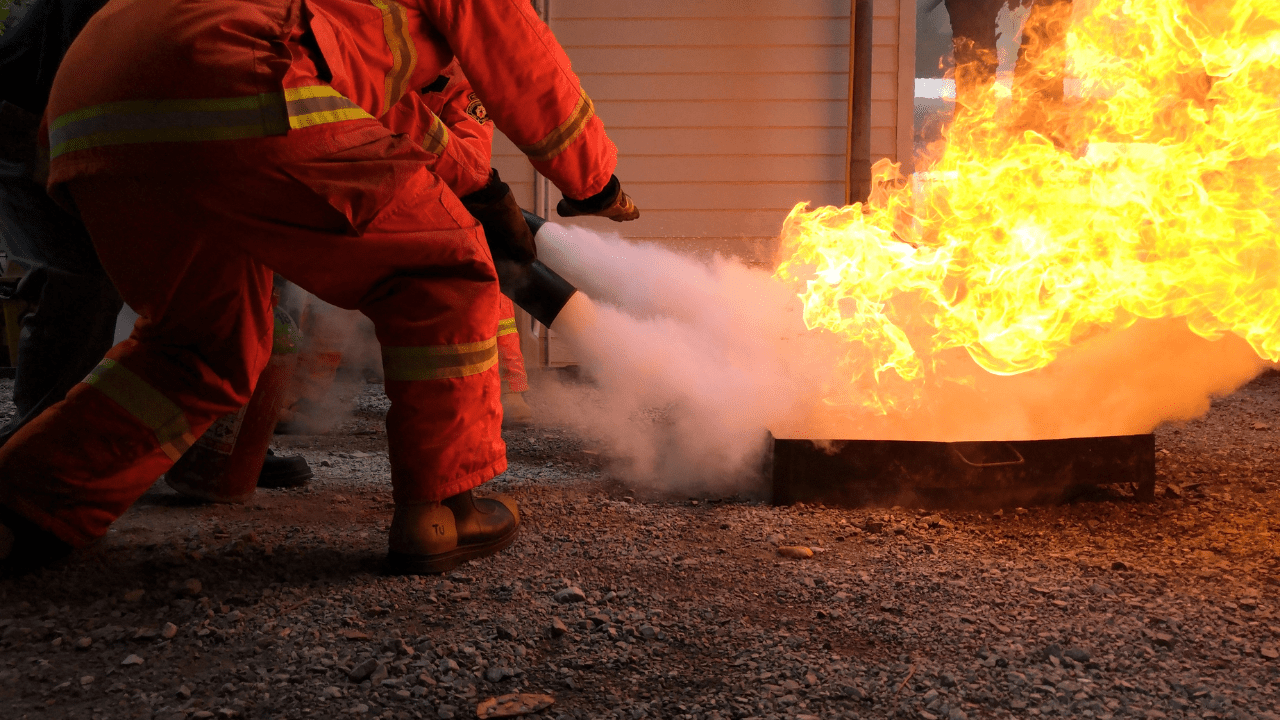
As shown above, reading an instruction manual cannot replace the critical muscle memory of pulling the pin, aiming at the base of a fire, and executing the sweep method on an active hot spot. At our Unanderra training facility, your team will physically interact with safety hardware and learn to distinguish between chemical hazard classes under the guidance of emergency response experts.
Real Muscle Memory, Zero Textbook Delays: The AOTA Fire Safety Edge
-
All-Inclusive Practical Equipment Instruction: We don’t rely on generic instructional videos. Students gain direct, physical handling experience with industry-standard portable fire extinguishers (Water, Foam, Dry Chemical Powder, CO2) and heavy-duty fire blankets.
-
Comprehensive Hazard Identification Chemistry: Master the vital science of structural fire classifications (Class A through Class F). Your team will learn exactly which suppressing agent to deploy and, more importantly, which ones will cause explosive reactions if used incorrectly.
-
Streamlined Blended Delivery Formats: Keep your operations moving efficiently. Our flexible learning models balance foundational independent online theory packets with tight, focused face-to-face practical hour simulations.
-
Mobile On-Site Corporate Risk Onboarding: We specialise in custom B2B safety training solutions. If your industrial yard or factory facility meets standard safety clearances, our certified safety assessors will travel straight to you anywhere in NSW to minimise worker downtime.
This unit of competency covers the skills and knowledge required to undertake an appropriate first response to fire incidents in onshore and offshore situations/emergencies.
People working, operating or who regularly travel to an onshore or offshore hydrocarbon/petrochemical installation or facility or major hazard facility may require this competency.
This unit could be applied to any of the following installations or facilities:
- factories and production plants
- onshore/offshore rig/installation
- island based facility
- floating production vessel or platform
- onshore production, processing pipeline systems and/or storage facilities
- pipeline easements
- maintenance bases.
This unit of competency applies to operators who are required to respond to fires in the workplace (other than evacuating to the assembly point). It covers the first response (only) to fire, and does not include aggressive fire-fighting. Typically this response would be undertaken to contain/extinguish a minor fire or to contain a more major fire until external help arrives (for an urban plant) or to allow for mobilisation of more highly trained responders or evacuation (for a remote/offshore plant).
This unit of competency applies to an individual working alone or as part of a team or group and working in liaison with other shift team members and the control room operator, as appropriate.
Organisations within the chemical, hydrocarbons and refining industries may find themselves falling under the provisions of various Major Hazard Facilities legislation. In developing this unit consideration has been given to the requirements of Sections 8 and 9 of the National Standard for the Control of Major Hazard Facilities [NOHSC:1014 (2002)] and the National Code of Practice for the Control of Major Hazard Facilities [NOHSC:2016 (1996)].
No other licensing, legislative or certification requirements apply to this unit at the time of publication.
Evidence required to demonstrate competence in this unit must be relevant to and satisfy all of the requirements of the elements and performance criteria and demonstrate the ability to:
- recognise and assess fire situations, including the identification of different types of fires and fuels
- determine appropriate actions according to procedures and within scope of own responsibilities, including:
- evacuate (self/others)
- seek assistance as appropriate
- apply control measures
- select and use a range of first response fire-fighting safety equipment
- select and use appropriate extinguishing agent
- apply defensive fire-fighting tactics and techniques
- select and use personal protective equipment (PPE)
- minimise the effect of a fire incident
- communicate clearly and unambiguously with a range of personnel on fire emergency conditions, related problems and safety and emergency procedures.
Evidence must be provided that demonstrates knowledge of:
- organisational procedures, including:
- site or organisation emergency procedures and response plans
- site-specific isolation procedures
- characteristics of fire and fuel types
- composition and uses of extinguishing agents
- types and application of basic firefighting equipment
- types and application of PPE
- roles and responsibilities of internal and external personnel in relation to fire incidents
- appropriate responses to different fire situations.
- 1 day
- Cost $325
- All students must pass a language, literacy & numeracy assessment (LLN)
- Minimum 18 years of age (Workplace Health and Safety requirement)
- PPE is required including safety boots and a hi-vis shirt
- Identification must be the originals and not laminated,
- 100 points Safework NSW EOI – SW08446-0718-423971.pdf
We currently have a Smart and Skilled contract with Training Services NSW. This means that if you meet the eligibility criteria, we can give you subsidised training.To find out more download our student information handbook.. or contact one of our team members.
-
Three (3) assessments will be conducted over the duration of the course – (formative assessment) Knowledge, Calculations and Practical Assessments.
-
On the last day of the course a summative assessment will be conducted by an approved State regulatory body assessor (e.g. Safe Work NSW) All critical components must be demonstrated and answered correctly.
-
Applicants deemed not yet competent will be provided the opportunity to undergo further training.
-
Applicants cannot be reassessed for a minimum of 48 hours from the date of the original assessment.Note: there may be an extra cost for re-assessment
These are Nationally Recognised Training courses and applicants deemed competent at the conclusion of the course will be provided with a Statement of Attainment MSMWHS212 – Undertake first response to fire incidents
- Students who give notice to cancel their enrolment more than 10 days prior to the commencement of a program will be entitled to a full refund of fees paid.
- Students who give notice to cancel their enrolment less than 10 days prior to the commencement of a program will be entitled to a 75% refund of fees paid. The amount retained (25%) by All Onsite Training and Assessment Services is required to cover the costs of administration and resources which will have already been committed based on the students initial intention to undertake the training.
- Students who cancel their enrolment within 1 full business day prior program commencement OR after a training program has commenced will not be entitled to a refund of fees.
- If All Onsite Training and Assessment Services cancels the training course, and is not rescheduling then a full refund will be returned to the payer
Apply for a new licence or class
You will need to go to a participating Australia Post in person to apply. You need to do this within 60 days of receiving your Notice of Satisfactory Assessment from your SafeWork NSW assessor.
You will need to take:
- your Notice of Satisfactory Assessment form
- a completed Application for a National Licence to Perform High Risk Work – New Application form (N5 form provided by your SafeWork NSW assessor). Do not sign this form, you need to sign it at Australia Post
- passport-quality photograph
- proof of identity. See evidence of identity information sheet (PDF, 109.92 KB)
- any current high risk work licences
- payment method (view the cost in the fee schedule).
Training/assessment can be conducted at AOTA Training Facility – 275a Princess Highway, Unanderra NSW
- PPE is required including safety boots and a hi-vis shirt
- 100 points of ID – (including photo ID) link to Safework NSW EOI: SW08446-0718-423971.pdf
- Unique Student Identifier Number – http://www.usi.gov.au/create-your-USI/Pages/default.aspx – if you need help with this our trainer will help you on the day.
All equipment
All courseware and handouts
Please refer to the AOTA Student Handbook through the Student Info Menu , as well as:
Q: What is the recommended retraining frequency for the MSMWHS212 fire incident response course?
A: While a nationally accredited Statement of Attainment for MSMWHS212 does not feature a fixed administrative expiration date, Australian industry standards, state WHS codes, and corporate emergency management frameworks generally mandate a refresher course or practical demonstration review every 1 to 2 years to keep structural response skills razor-sharp.
Q: Does this specific short course satisfy the requirements for a designated Workplace Fire Warden?
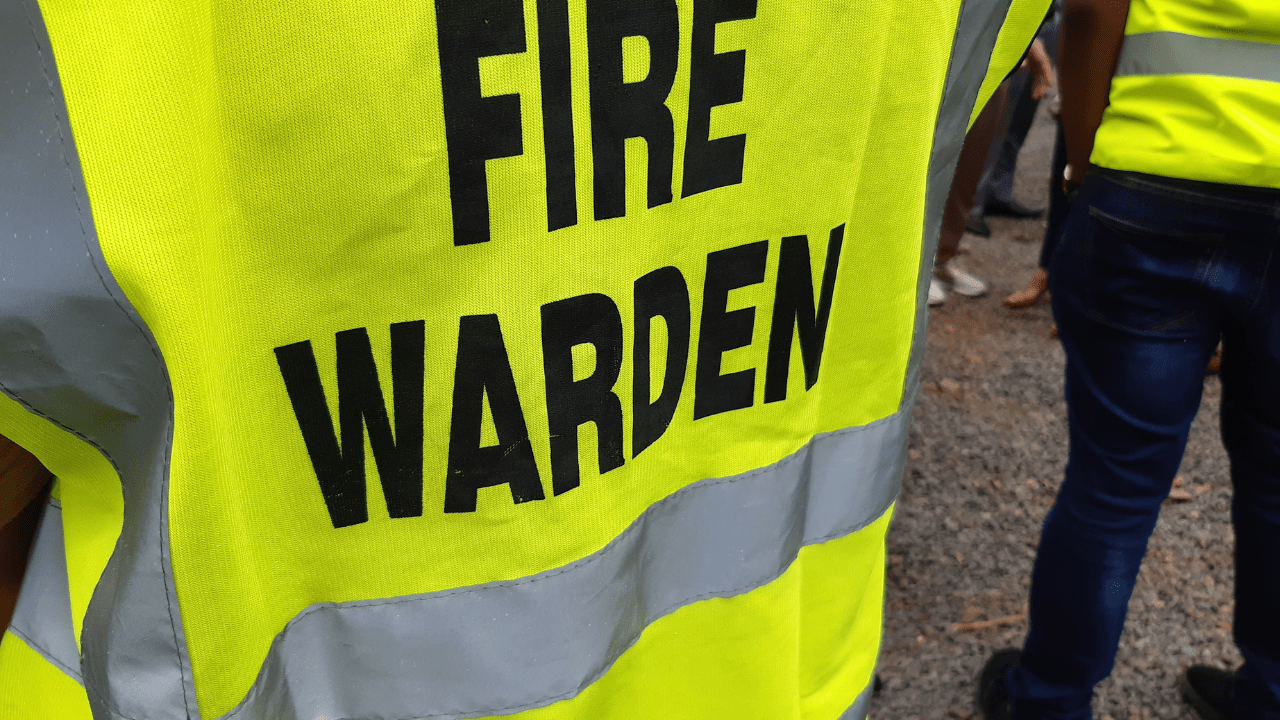
A: MSMWHS212 focuses heavily on the initial, hands-on mechanical containment and suppression of small localized fires using portable apparatuses. For personnel taking on broader administrative safety roles—such as managing building evacuations, coordinating with emergency service crews, or supervising warden teams—we recommend pairing this unit with comprehensive Fire Warden safety modules.
Q: What unique clothing and safety equipment criteria apply on training day?
A: Because this program features live physical simulations around high-risk safety hardware, all participants must arrive equipped with standard worksite Personal Protective Equipment (PPE). This requires closed, solid footwear (steel-capped safety boots are heavily preferred), long work trousers, and a high-visibility shirt or vest. You must also bring standard verification of identity documentation and an active Unique Student Identifier (USI) profile.