

Beyond the Warehouse | Essential Tickets for Port and Logistics Jobs in the Illawarra
The Supply Chain Champions: Your Guide to a Career in Illawarra’s Logistics & Ports
Every single day, thousands of tonnes of goods flow through the Illawarra. From the massive ships at Port Kembla to the bustling warehouses and transport depots that dot our region, this is the engine room of our local economy. The Illawarra Shoalhaven Regional Plan 2041 identifies the growth of Port Kembla as an international trade hub as a top priority, with the potential to create up to 30,000 new jobs in linked industries.
This guide will break down the key operational areas within the Illawarra’s logistics sector and show you the specific licences that will open doors.
The Heart of the Operation | The Warehouse and Yard
The modern warehouse is a high-tech, fast-paced environment. It’s the central hub where goods are received, sorted, stored, and dispatched.
King of the Aisles, The Forklift Licence (LF)
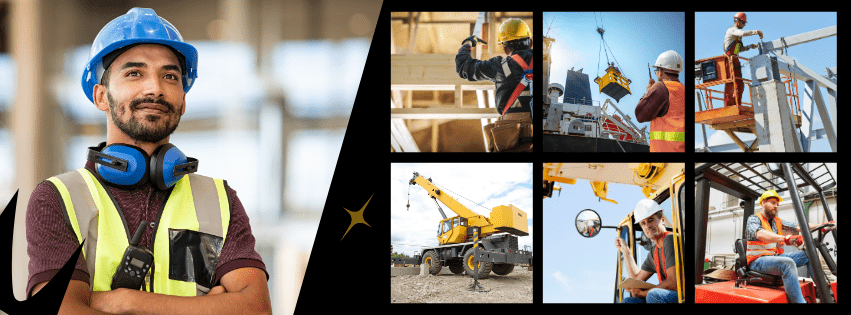
The forklift is the undisputed workhorse of any warehouse or yard. If you want a job in this environment, a Forklift Operations licence is the single most important qualification you can have.
- What you don’t know: This isn’t just a simple competency; it’s a High-Risk Work Licence (HRWL). That means it’s nationally recognised and requires you to be formally assessed as competent to operate safely.
- The environment: You’ll be working in tight spaces, loading and unloading trucks against the clock, and navigating around pedestrians and other machinery. Formal training teaches you about load stability, reading data plates, and maintaining situational awareness—skills that prevent accidents and make you an efficient, valuable operator.
The Heavy Hitters | Port Operations & Bulk Loading
When you move from a standard warehouse to a major facility like Port Kembla, the scale changes dramatically. Here, you’re dealing with shipping containers, heavy machinery, and bulk materials that weigh many tonnes. This is where advanced high-risk skills are essential.
The Art of the Heavy Lift: Dogging, Rigging & Cranes
Lifting a 20-tonne container off a ship is a world away from moving a pallet. This is where the lifting professionals come in.
- Dogging (DG): Just like on a construction site, the dogger is essential for any crane lift. They are responsible for inspecting lifting gear, applying the correct slinging methods, and directing the crane operator to move the load safely from ship to shore, or from truck to storage.
- Rigging (RB, RI, RA): Riggers are needed for more complex tasks, such as assembling and dismantling temporary structures, working with specialised lifting equipment, and managing unconventional or unbalanced loads.
- Slewing Mobile Cranes (C6): These versatile cranes are the backbone of many port operations, able to move around the site and perform a huge variety of lifts. Operating a crane with a capacity of up to 60 tonnes requires a C6 High-Risk Work Licence and is a highly sought-after skill.
Connecting the Dots | Transport and Haulage
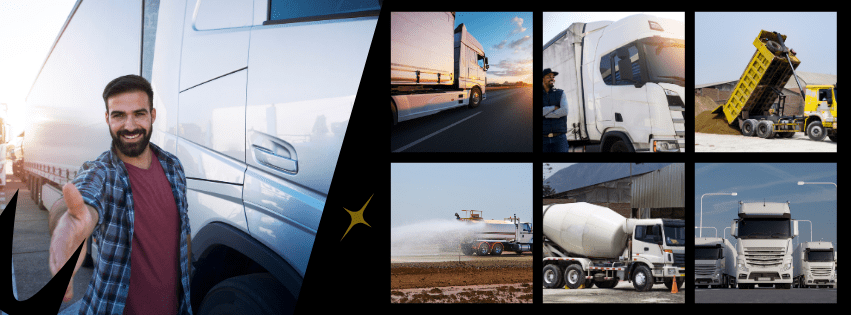
The final link in the supply chain is the transport network that moves goods from the port or warehouse to their final destination. This requires skilled, professional drivers who hold the correct class of licence.
On the Road, Heavy Vehicle Licences
- HR (Heavy Rigid): This allows you to drive trucks with three or more axles. It’s a common licence for local delivery and transport roles.
- HC (Heavy Combination): This is for semi-trailers, the most common type of truck for long-distance and B2B freight.
- MC (Multi Combination): This is the highest class of licence, for operating B-doubles and road trains.
Holding a Heavy Vehicle Licence opens up a huge range of career opportunities, from local delivery runs to interstate haulage.
The Human Factor | Safety in a 24/7 World
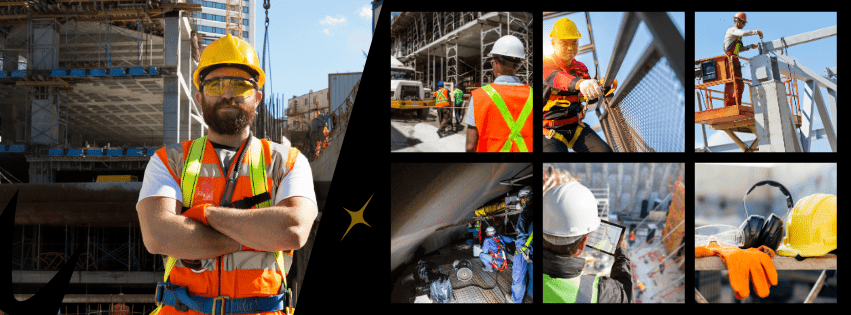
The logistics industry operates under constant pressure, which makes a focus on human safety absolutely critical.
- Provide First Aid: In a fast-paced environment with heavy machinery, being able to provide an immediate response to an injury is vital. A Provide First Aid qualification is a huge asset.
- Mental Wellbeing: The life of a transport worker or logistics operator can be demanding. Factors like social isolation, tight deadlines, and shift work can take a significant toll on mental health.
From the warehouse floor to the driver’s seat of a B-double, the Illawarra’s logistics sector offers a diverse range of career paths, each one starting with the right nationally recognised qualification.
References:
- Property Council of Australia, ‘Backing the Illawarra Shoalhaven: Invest to Support Growth’ Media Release.
- Monash University, ‘Why investing in truck drivers’ health is crucial’ Research.
- icare NSW, ‘Mental health injuries in the truck driving industry’.
- All Onsite Training and Assessment, Mental Health First Aid Course Information.
Ready to unlock your full potential? Explore our website further to discover the perfect training path for you. Or, if you have any questions or need personalised guidance, don’t hesitate to contact us. Our friendly team is here to support you every step of the way.
Remember, your dream career is within reach. With AOTA by your side, you can build the skills, confidence, and qualifications you need to succeed. So, take the first step today and start building your future!
Dedicated to your success
Nigel
Know the Risk | Interactive Hazard Finder
From high-risk zones to hidden hazards, this interactive tool helps you identify worksite dangers and shows you the safety training to tackle them confidently.