
Call Us

02 42068378
Office Hours: 9am-5pm

Training Portal

Bookings, Enquiries, RPL

logo 1
Beyond the Warehouse | Essential Tickets for Port and Logistics Jobs in the Illawarra

Beyond the Warehouse | Essential Tickets for Port and Logistics Jobs in the Illawarra

The Supply Chain Champions: Your Guide to a Career in Illawarra’s Logistics & Ports

Every single day, thousands of tonnes of goods flow through the Illawarra. From the massive ships at Port Kembla to the bustling warehouses and transport depots that dot our region, this is the engine room of our local economy. The Illawarra Shoalhaven Regional Plan 2041 identifies the growth of Port Kembla as an international trade hub as a top priority, with the potential to create up to 30,000 new jobs in linked industries.  This is a world of constant movement, where efficiency and safety are everything. A career in logistics and port operations is a career in a sector that never sleeps. But to be a part of it, you need the right qualifications. This isn’t just about driving a truck or a forklift; it’s about being a trusted professional in a high-stakes environment.

This guide will break down the key operational areas within the Illawarra’s logistics sector and show you the specific licences that will open doors.

The Heart of the Operation | The Warehouse and Yard

The modern warehouse is a high-tech, fast-paced environment. It’s the central hub where goods are received, sorted, stored, and dispatched.

King of the Aisles, The Forklift Licence (LF)

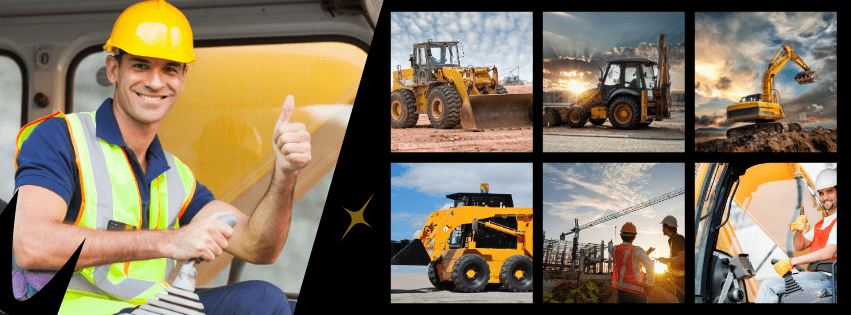
The forklift is the undisputed workhorse of any warehouse or yard. If you want a job in this environment, a Forklift Operations licence is the single most important qualification you can have.

  • What you don’t know: This isn’t just a simple competency; it’s a High-Risk Work Licence (HRWL). That means it’s nationally recognised and requires you to be formally assessed as competent to operate safely.
  • The environment: You’ll be working in tight spaces, loading and unloading trucks against the clock, and navigating around pedestrians and other machinery. Formal training teaches you about load stability, reading data plates, and maintaining situational awareness—skills that prevent accidents and make you an efficient, valuable operator.

The Heavy Hitters | Port Operations & Bulk Loading

When you move from a standard warehouse to a major facility like Port Kembla, the scale changes dramatically. Here, you’re dealing with shipping containers, heavy machinery, and bulk materials that weigh many tonnes. This is where advanced high-risk skills are essential.

The Art of the Heavy Lift: Dogging, Rigging & Cranes

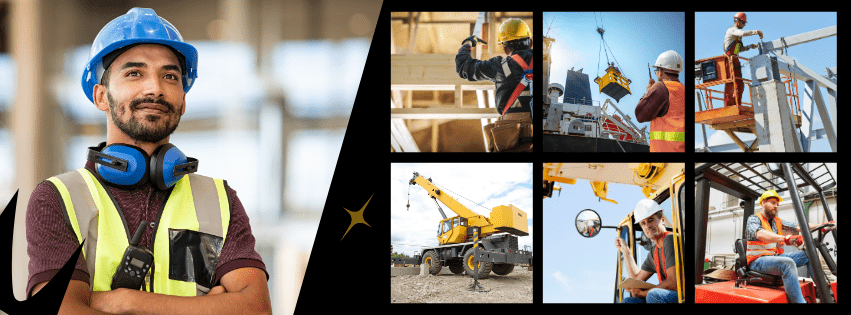
Lifting a 20-tonne container off a ship is a world away from moving a pallet. This is where the lifting professionals come in.

  • Dogging (DG): Just like on a construction site, the dogger is essential for any crane lift. They are responsible for inspecting lifting gear, applying the correct slinging methods, and directing the crane operator to move the load safely from ship to shore, or from truck to storage.
  • Rigging (RB, RI, RA): Riggers are needed for more complex tasks, such as assembling and dismantling temporary structures, working with specialised lifting equipment, and managing unconventional or unbalanced loads.
  • Slewing Mobile Cranes (C6): These versatile cranes are the backbone of many port operations, able to move around the site and perform a huge variety of lifts. Operating a crane with a capacity of up to 60 tonnes requires a C6 High-Risk Work Licence and is a highly sought-after skill.

Connecting the Dots | Transport and Haulage

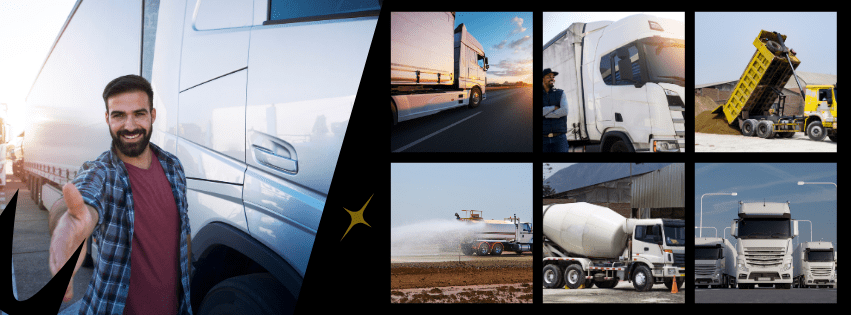
The final link in the supply chain is the transport network that moves goods from the port or warehouse to their final destination. This requires skilled, professional drivers who hold the correct class of licence.

On the Road, Heavy Vehicle Licences

  • HR (Heavy Rigid): This allows you to drive trucks with three or more axles. It’s a common licence for local delivery and transport roles.
  • HC (Heavy Combination): This is for semi-trailers, the most common type of truck for long-distance and B2B freight.
  • MC (Multi Combination): This is the highest class of licence, for operating B-doubles and road trains.

Holding a Heavy Vehicle Licence opens up a huge range of career opportunities, from local delivery runs to interstate haulage.

The Human Factor | Safety in a 24/7 World

The logistics industry operates under constant pressure, which makes a focus on human safety absolutely critical.

  • Provide First Aid: In a fast-paced environment with heavy machinery, being able to provide an immediate response to an injury is vital. A Provide First Aid qualification is a huge asset.
  • Mental Wellbeing: The life of a transport worker or logistics operator can be demanding. Factors like social isolation, tight deadlines, and shift work can take a significant toll on mental health. A Mental Health First Aid course provides the skills to recognise when a colleague is struggling and the confidence to offer support, fostering a safer and more positive workplace culture for everyone.  From the warehouse floor to the driver’s seat of a B-double, the Illawarra’s logistics sector offers a diverse range of career paths, each one starting with the right nationally recognised qualification.

References:

  • Illawarra Shoalhaven Regional Plan 2041.  
  • Property Council of Australia, ‘Backing the Illawarra Shoalhaven: Invest to Support Growth’ Media Release.   
  • Monash University, ‘Why investing in truck drivers’ health is crucial’ Research.
  • icare NSW, ‘Mental health injuries in the truck driving industry’. 
  • All Onsite Training and Assessment, Mental Health First Aid Course Information.

Ready to unlock your full potential? Explore our website further to discover the perfect training path for you. Or, if you have any questions or need personalised guidance, don’t hesitate to contact us. Our friendly team is here to support you every step of the way.

Remember, your dream career is within reach. With AOTA by your side, you can build the skills, confidence, and qualifications you need to succeed. So, take the first step today and start building your future!

Dedicated to your success

Nigel

Know the Risk | Interactive Hazard Finder

From high-risk zones to hidden hazards, this interactive tool helps you identify worksite dangers and shows you the safety training to tackle them confidently.
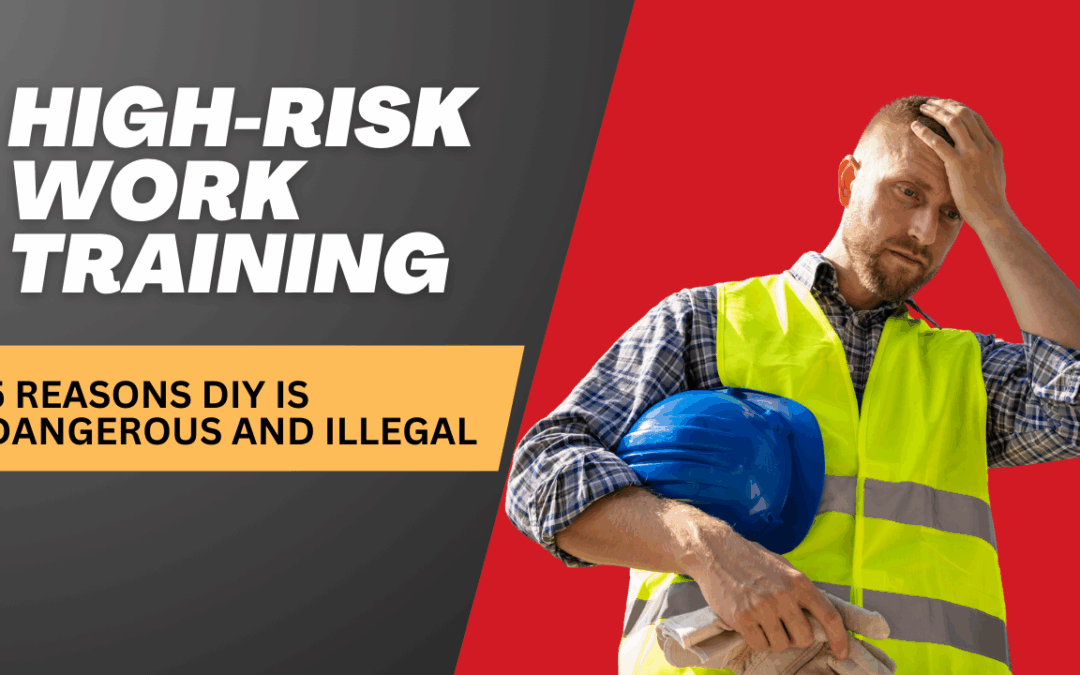
High-Risk Work Training | 5 Reasons DIY is Dangerous and Illegal

High-Risk Work Training | 5 Reasons DIY is Dangerous and Illegal

The “She’ll Be Right” Attitude’s Fatal Flaw

Australia has a proud tradition of DIY, a “she’ll be right” attitude that often serves us well. But when it comes to high-risk work, that attitude can be downright dangerous, even deadly. We’ve all heard stories of someone who’s “been doing it for years” without a licence, bragging about how they learned on the job. But those stories often omit the near misses, the close calls, and the potential for catastrophic consequences.

Consider the alarming statistics: Safe Work Australia data consistently shows that inadequate training is a significant contributing factor in workplace accidents. In 2023-24, “being hit by falling objects” and “falls from a height” were among the top causes of serious workers’ compensation claims – both directly related to common high-risk work tasks. These aren’t just numbers; they represent real people, real injuries, and real lives impacted.

This article will dismantle the myth that on-the-job experience alone is enough for high-risk work. We’ll lay out five compelling reasons why formal training is not just a good idea – it’s a legal necessity and a crucial investment in safety.

Reason 1. Mastering Safety Protocols, Beyond the Basics

Formal training goes far beyond simply learning how to operate a piece of equipment. It’s about instilling a safety-first mindset and providing a deep understanding of risk management.

Hazard Identification, Seeing the Unseen

Experienced trainers teach you to identify potential hazards, not just obvious ones. This includes;

  • Environmental Hazards – Uneven ground, overhead power lines, weather conditions.
  • Equipment Hazards – Faulty machinery, incorrect attachments, lack of maintenance.
  • Human Factors – Fatigue, distraction, complacency.

Risk Assessment, Calculating the Consequences

Training teaches you how to assess the likelihood and severity of identified hazards. This involves:

  • Understanding Risk Matrices – Using standardised tools to quantify risk levels.
  • Developing Control Measures – Implementing strategies to eliminate or minimise risks (e.g., using safety harnesses, establishing exclusion zones).

Emergency Procedures. Reacting Right, Reacting Fast

Formal training covers emergency procedures in detail;

  • Equipment Malfunction – Knowing how to safely shut down equipment in an emergency.
  • First Aid and Rescue – Basic first aid and procedures for rescuing a colleague.
  • Incident Reporting –Understanding the legal requirements for reporting accidents.

This level of detailed safety training is simply not achievable through informal, on-the-job learning.

High-risk work licenses are not optional; they are legally mandated in Australia. The model Work Health and Safety (WHS) Regulations, adopted (with variations) across the states and territories, clearly outline the requirements for licensing.

The Consequences of Non-Compliance

Operating without a required licence carries severe penalties.

  • Hefty Fines – Individuals and businesses can face significant fines, often in the tens of thousands of dollars.
  • Prosecution – In cases of serious injury or death, individuals can face criminal charges, including imprisonment.
  • Stop-Work Orders – Regulators can shut down operations until compliance is achieved.

Employer Liability, Due Diligence is Key

Employers have a legal duty of care to ensure their workers are competent and properly licensed. This includes;

  • Verifying Licenses – Checking that employees hold the correct, current licenses.
  • Providing Training – Ensuring workers receive adequate training, even if they have prior experience.
  • Maintaining Records – Keeping records of training and licensing.

Failing to meet these obligations can expose employers to significant legal and financial risks.

Reason 3. Preventing Accidents and Injuries, The Human Cost

This is the most crucial reason of all. Formal training is about preventing accidents and protecting lives. The statistics are stark, untrained workers are far more likely to be involved in serious incidents.

Common Accidents, Preventable Tragedies

Many common workplace accidents are directly linked to inadequate training.

  • Forklift Overturns – Often caused by overloading, uneven ground, or improper operation.
  • Falls from Heights – Resulting from incorrect use of ladders, scaffolding, or elevated work platforms.
  • Crushing Injuries – Caused by improper rigging, unsecured loads, or machinery malfunctions.

These accidents often have devastating consequences, including;

  • Permanent Disabilities – Spinal cord injuries, brain injuries, amputations.
  • Long-Term Pain and Suffering – Chronic pain, psychological trauma.
  • Fatalities – The ultimate, irreversible consequence.

The Ripple Effect

The impact of a workplace accident extends far beyond the injured worker. It affects;

  • Families – Loss of income, emotional distress, caregiver burden.
  • Colleagues – Trauma, guilt, decreased morale.
  • Businesses – Lost productivity, increased insurance premiums, reputational damage.

Reason 4. Protecting Your Livelihood (and Your Employer’s)

Operating without a licence is a gamble with your career and your employer’s business. The financial consequences can be crippling.

Job Security at Risk

An accident caused by your lack of training can lead to;

  • Disciplinary Action – Including termination of employment.
  • Difficulty Finding Future Work – A history of safety violations can make you unemployable.

Financial Ruin

The costs associated with unlicensed operation can be substantial.

  • Fines – As mentioned earlier, these can be significant.
  • Legal Fees – Defending yourself against legal action can be extremely expensive.
  • Loss of Income – If you’re injured and unable to work.
  • Increased Insurance costs – for both individual and employers.

The cost of compliance is far less than the cost of an accident.

Reason 5. Insurance and Liability, Don’t Be Left Uncovered

Operating without a required licence can have serious implications for insurance coverage and personal liability.

Voiding Insurance Policies

Many insurance policies (workers’ compensation, public liability) contain clauses that exclude coverage if an accident is caused by illegal activity, such as operating without a license. This means;

  • No Compensation for Injuries – You may be left to cover your own medical expenses and lost income.
  • No Protection from Lawsuits – You may be personally liable for damages caused to others.

Increased Personal Liability

If you cause an accident while operating without a licence, you are far more likely to be held personally liable for the damages. This could include;

  • Medical Expenses of Others – Covering the costs of treating injuries you caused.
  • Property Damage – Paying for repairs to damaged equipment or property.
  • Legal Fees – Defending yourself against lawsuits from injured parties.

Formal Training is Non-Negotiable

Skipping formal training for high-risk work is a reckless gamble with potentially devastating consequences. It’s not just about following the rules; it’s about protecting yourself, your colleagues, and your livelihood. The “she’ll be right” attitude has no place in high-risk work. Invest in formal training, obtain the necessary licenses, and prioritise safety above all else. The cost of training is a small price to pay for a safe and secure future. Don’t become another statistic.

Ready to unlock your full potential? Explore our website further to discover the perfect training path for you. Or, if you have any questions or need personalised guidance, don’t hesitate to contact us. Our friendly team is here to support you every step of the way.

Remember, your dream career is within reach. With AOTA by your side, you can build the skills, confidence, and qualifications you need to succeed. So, take the first step today and start building your future!

Dedicated to your success

Nigel