



Call Us

02 42068378
Office Hours: 9am-5pm

logo 1
Beyond the Warehouse | Essential Tickets for Port and Logistics Jobs in the Illawarra

Beyond the Warehouse | Essential Tickets for Port and Logistics Jobs in the Illawarra

The Supply Chain Champions: Your Guide to a Career in Illawarra’s Logistics & Ports

Every single day, thousands of tonnes of goods flow through the Illawarra. From the massive ships at Port Kembla to the bustling warehouses and transport depots that dot our region, this is the engine room of our local economy. The Illawarra Shoalhaven Regional Plan 2041 identifies the growth of Port Kembla as an international trade hub as a top priority, with the potential to create up to 30,000 new jobs in linked industries.  This is a world of constant movement, where efficiency and safety are everything. A career in logistics and port operations is a career in a sector that never sleeps. But to be a part of it, you need the right qualifications. This isn’t just about driving a truck or a forklift; it’s about being a trusted professional in a high-stakes environment.

This guide will break down the key operational areas within the Illawarra’s logistics sector and show you the specific licences that will open doors.

The Heart of the Operation | The Warehouse and Yard

The modern warehouse is a high-tech, fast-paced environment. It’s the central hub where goods are received, sorted, stored, and dispatched.

King of the Aisles, The Forklift Licence (LF)

The forklift is the undisputed workhorse of any warehouse or yard. If you want a job in this environment, a Forklift Operations licence is the single most important qualification you can have.

  • What you don’t know: This isn’t just a simple competency; it’s a High-Risk Work Licence (HRWL). That means it’s nationally recognised and requires you to be formally assessed as competent to operate safely.
  • The environment: You’ll be working in tight spaces, loading and unloading trucks against the clock, and navigating around pedestrians and other machinery. Formal training teaches you about load stability, reading data plates, and maintaining situational awareness—skills that prevent accidents and make you an efficient, valuable operator.

The Heavy Hitters | Port Operations & Bulk Loading

When you move from a standard warehouse to a major facility like Port Kembla, the scale changes dramatically. Here, you’re dealing with shipping containers, heavy machinery, and bulk materials that weigh many tonnes. This is where advanced high-risk skills are essential.

The Art of the Heavy Lift: Dogging, Rigging & Cranes

Lifting a 20-tonne container off a ship is a world away from moving a pallet. This is where the lifting professionals come in.

  • Dogging (DG): Just like on a construction site, the dogger is essential for any crane lift. They are responsible for inspecting lifting gear, applying the correct slinging methods, and directing the crane operator to move the load safely from ship to shore, or from truck to storage.
  • Rigging (RB, RI, RA): Riggers are needed for more complex tasks, such as assembling and dismantling temporary structures, working with specialised lifting equipment, and managing unconventional or unbalanced loads.
  • Slewing Mobile Cranes (C6): These versatile cranes are the backbone of many port operations, able to move around the site and perform a huge variety of lifts. Operating a crane with a capacity of up to 60 tonnes requires a C6 High-Risk Work Licence and is a highly sought-after skill.

Connecting the Dots | Transport and Haulage

The final link in the supply chain is the transport network that moves goods from the port or warehouse to their final destination. This requires skilled, professional drivers who hold the correct class of licence.

On the Road, Heavy Vehicle Licences

  • HR (Heavy Rigid): This allows you to drive trucks with three or more axles. It’s a common licence for local delivery and transport roles.
  • HC (Heavy Combination): This is for semi-trailers, the most common type of truck for long-distance and B2B freight.
  • MC (Multi Combination): This is the highest class of licence, for operating B-doubles and road trains.

Holding a Heavy Vehicle Licence opens up a huge range of career opportunities, from local delivery runs to interstate haulage.

The Human Factor | Safety in a 24/7 World

The logistics industry operates under constant pressure, which makes a focus on human safety absolutely critical.

  • Provide First Aid: In a fast-paced environment with heavy machinery, being able to provide an immediate response to an injury is vital. A Provide First Aid qualification is a huge asset.
  • Mental Wellbeing: The life of a transport worker or logistics operator can be demanding. Factors like social isolation, tight deadlines, and shift work can take a significant toll on mental health. A Mental Health First Aid course provides the skills to recognise when a colleague is struggling and the confidence to offer support, fostering a safer and more positive workplace culture for everyone.  From the warehouse floor to the driver’s seat of a B-double, the Illawarra’s logistics sector offers a diverse range of career paths, each one starting with the right nationally recognised qualification.

References:

  • Illawarra Shoalhaven Regional Plan 2041.  
  • Property Council of Australia, ‘Backing the Illawarra Shoalhaven: Invest to Support Growth’ Media Release.   
  • Monash University, ‘Why investing in truck drivers’ health is crucial’ Research.
  • icare NSW, ‘Mental health injuries in the truck driving industry’. 
  • All Onsite Training and Assessment, Mental Health First Aid Course Information.

Ready to unlock your full potential? Explore our website further to discover the perfect training path for you. Or, if you have any questions or need personalised guidance, don’t hesitate to contact us. Our friendly team is here to support you every step of the way.

Remember, your dream career is within reach. With AOTA by your side, you can build the skills, confidence, and qualifications you need to succeed. So, take the first step today and start building your future!

Dedicated to your success

Nigel

Know the Risk | Interactive Hazard Finder

From high-risk zones to hidden hazards, this interactive tool helps you identify worksite dangers and shows you the safety training to tackle them confidently.
Contact

Call HQ

(02)  42068378

Office Hours: 9am – 5pm Monday to Friday

Training Facility 

275A Princes Hwy, Unanderra NSW 2526

Training Hours: 7am – 3pm Monday to Friday

Email Us

First Aid Category

First Aid Category

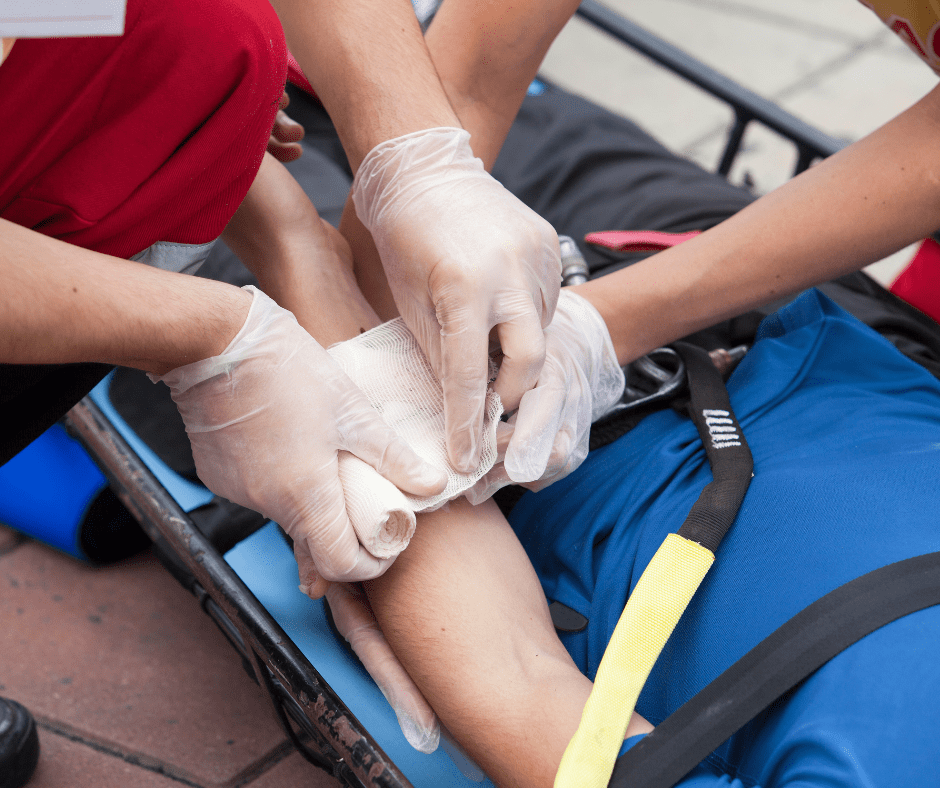
First aid training gives you the skills to respond to a range of medical emergencies, from cuts and burns to more serious situations like heart attacks and strokes. You’ll learn CPR, bandaging techniques, and how to manage injuries until professional help arrives.

Mental health first aid training teaches you how to recognise and respond to mental health concerns like anxiety, depression, and psychosis. You’ll learn how to offer support, provide resources, and guide people towards appropriate professional help.

CPR

First Aid

Mental Health First Aid

Verification Of Competency

VOC
high risk work

Verification of Competency (V.O.C.) Refresher Training

Course Description
Individuals
Employers
Your Rights & Obligations

Current industry regulations require employers and ‘persons conducting a business undertaking’ (PCBU) to ensure their workers can clearly demonstrate their ability to perform the tasks related to their job role when plant is used. Refresher Training or, as it’s called in the industry, a ‘Verification of Competency’ (V.O.C.) is a method of assessment that can be used to demonstrate the worker’s ability to operate equipment and/or undertake the responsibilities of these roles.

V.O.C. is an assessment that covers all areas within a worker’s job description and requires them to demonstrate that they have retained sufficient knowledge and skills relevant to their role as specified by their employer or PCBU. The assessment takes place over 4 hours per unit of competency and must be conducted by an authorised RTO with experience in assessing competencies within the workplace environment

As a worker, you will often be asked by new employers to demonstrate your ability to operate the equipment and perform the tasks relevant to your job role.  With the introduction of new regulations placing more responsibility on the employers to ensure their staff’s training is kept up-to-date, more and more companies are requiring workers to hold a Verification of Competency (V.O.C.) before they are able to commence work onsite.

*Note – an operator MUST hold a current High Risk Licence or Plant Ticket to qualify for a Verification of Competency. A current licence or ticket is one that is still acceptable in the relevant industry or still renewable by a Regulator.
Some jurisdictions allow 1 or 2 years for renewal after the stated expiry date of a Licence.

Some tickets do not have expiry dates.  If in doubt please contact us to clarify.

It is the legal responsibility of the employer to ensure that the skills of staff working on site are up-to-date and compliant. In January 2012, a new set of Workplace Health and Safety laws were introduced, putting more responsibility onto the employer to undertake ‘all reasonably practicable measures to prevent the risk to health and safety occurring’. (Source: Safe Work Australia).

A licence or ‘ticket’ is no longer an adequate measure of your workers ability to perform their tasks and operate machinery in a manner compliant with regulations. In the unfortunate event there is an accident on site, will you be able to prove that you – as an employer – took every reasonable step to ensure the competency of your workers? Encouraging your employees and contractors to complete their V.O.C. training – preferably before commencing work on site – will allow you to demonstrate that reasonable measures have been taken to ensure the health and safety of all workers on site.

    Please refer to the AOTA Student Handbook through the Student Info Menu , as well as:

      Mental Health First Aid

      mental health first aid
      MH Instructor

      Introduction to Mental Health First Aid 

      Overview
      MHFA Training Outcomes
      What You Need To Know
      Location
      Resources Provided
      Your Rights & Obligations

      Around 1 in 5 Australian adults experience a common mental illness each year. Understanding how to talk about mental health and help someone in need are important skills.
      Many people feel uncomfortable and unprepared when thinking about starting a conversation with someone they are concerned about.
      At a Mental Health First Aid course, you will learn how to recognise the signs and symptoms of mental health problems and learn the skills to feel confident and able to help.
      Having mental health first aid skills means that you can assist someone developing a mental health problem or experiencing a mental health crisis and make a real difference to your community.

      • KNOWLEDGE Increases mental health literacy
      • CONFIDENCE Increases confidence in providing mental health first aid
      • DE-STIGMATISING Decreases stigmatising attitudes
      • SUPPORT Increases the support provided to others

      Mental Health First Aid in the Workplace More and more workplaces are realising the impact of mental health problems at work on their people and productivity. Encouraging early help seeking is one way to promote a mentally healthy workplace. This is where Mental Health First Aid can help. Mental health first aid is an evidence-based training course which gives your employees the skills and confidence to have supportive conversations with their co-workers and help guide them to professional help if needed. It has been shown to increase knowledge, confidence and helping behaviours, and reduce stigma.

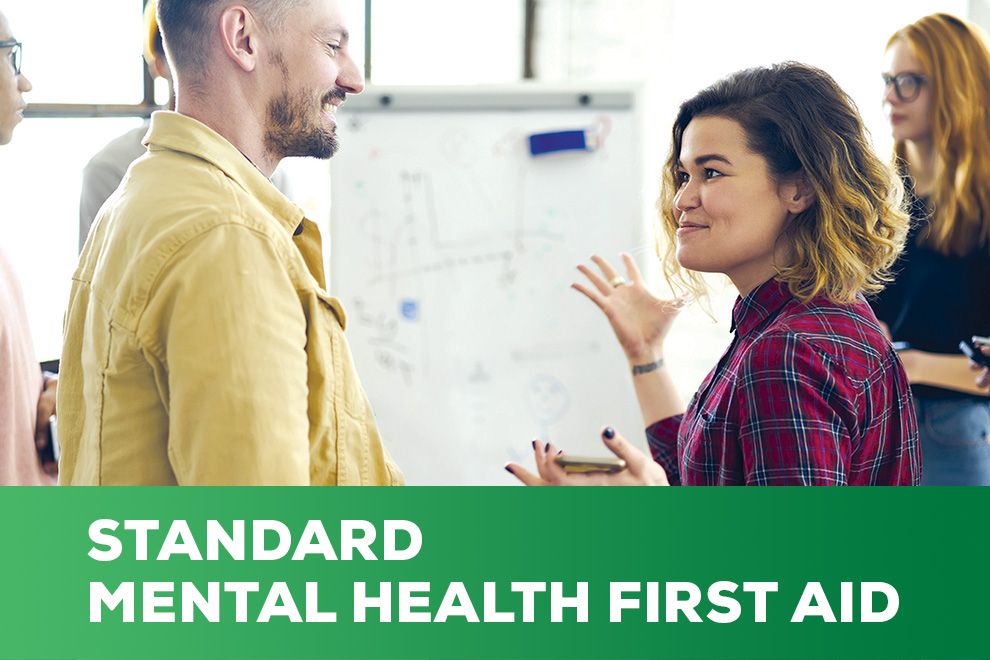
      The 12-hour Standard Mental Health First Aid course teaches any adult (18 years and over) how to provide initial support to someone who is experiencing a mental health problem or crisis.
      Learn about the signs and symptoms of common mental health problems in adults, how to provide initial help, where and how to get professional help, what sort of help has been shown by research to be effective, and how to provide first aid in a crisis situation.

      • All students must pass a language, literacy & numeracy assessment (LLN)

        Training/assessment can be conducted at AOTA Training Facility – 275a Princess Highway, Unanderra NSW 

        All equipment
        All courseware and handouts

        Please refer to the AOTA Student Handbook through the Student Info Menu , as well as:

          First Aid Courses: HLTAID009 – HLTAID011

          first aid
          CPR courses

          HLTAID009 –  Provide cardiopulmonary resuscitation – unit of competency

          Course Description
          Duration
          Assessment
          Nationally Accredited One Day Courses
          Location
          Resources Provided
          Your Rights & Obligations

          Provide cardiopulmonary resuscitation course description:

          This unit describes the skills and knowledge required to perform cardiopulmonary resuscitation (CPR) in line with the Australian Resuscitation Council (ARC) Guidelines.

          This unit applies to all workers who may be required to provide CPR, in a range of situations, including community and workplace settings.

          • 4 hour face-to-face training

          Physical Requirements:

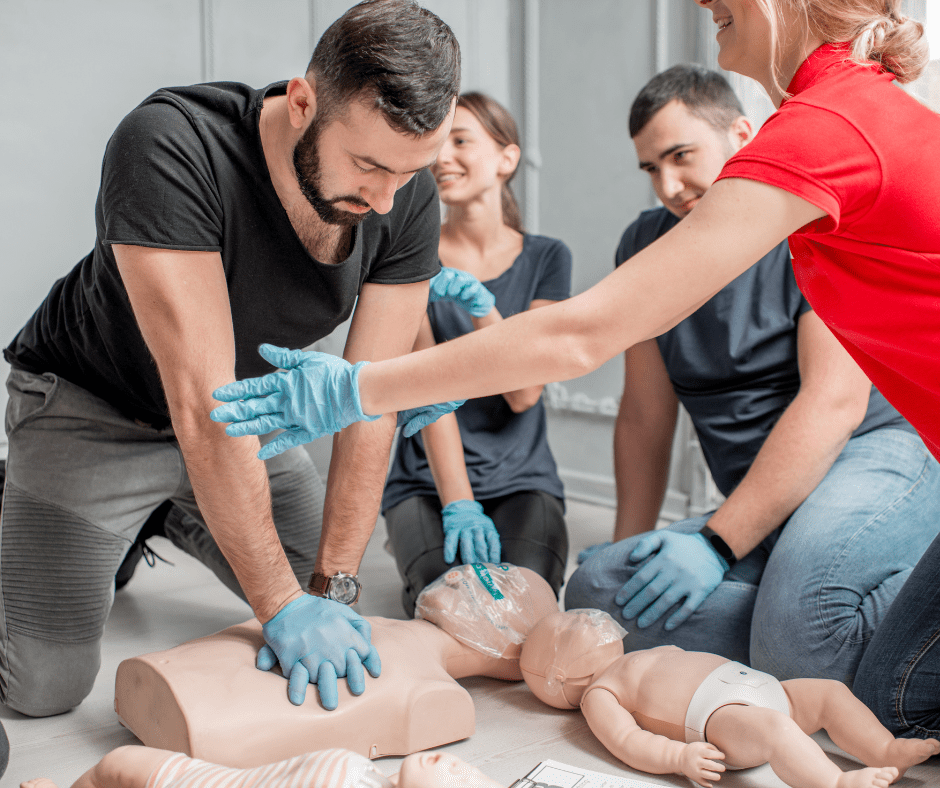
          It is important to note that this CPR course requires a level of physical ability to complete practical assessments. All students are required to perform 2 minutes of CPR on an adult manikin and baby manikin on the floor. If your health or fitness will not allow you to demonstrate this, you won’t be awarded a nationally accredited certificate for HLTAID009 Provide cardiopulmonary resuscitation, however we can issue a non accredited certificate of attendance for CPR.

          Language Skills:

          • All students must pass a language, literacy & numeracy assessment (LLN)

            This unit describes the skills and knowledge required to perform cardiopulmonary resuscitation (CPR) in line with the Australian Resuscitation Council (ARC) guidelines.

            This unit applies to all persons who may be required to provide CPR, in a range of situations, including community and workplace settings.

            Specific licensing/regulatory requirements relating to this competency, including requirements for refresher training should be obtained from the relevant national/state/territory Work Health and Safety Regulatory Authorities.

            We can provide in house training at your own premises Training/assessment can be conducted at AOTA Training Facility – 275a Princess Highway, Unanderra NSW 

            All equipment
            All courseware and handouts

            Please refer to the AOTA Student Handbook through the Student Info Menu , as well as:

              HLTAID011 Provide First Aid Full or Refresher – unit of competency

              Course Description
              Duration
              Assessment
              National Course Code
              Location
              Resources Provided
              Your Rights & Obligations

              This unit describes the skills and knowledge required to provide a first aid response to a casualty in line with first aid guidelines determined by the Australian Resuscitation Council (ARC) and other Australian national peak clinical bodies.

              The unit applies to all persons who may be required to provide a first aid response in a range of situations, including community and workplace settings.

              • Approximately 7 hour face-to-face training session

              Physical Requirements:

              It is important to note that this CPR course requires a level of physical ability to complete practical assessments. All students are required to perform 2 minutes of CPR on an adult manikin and baby manikin on the floor. If your health or fitness will not allow you to demonstrate this, you won’t be awarded a nationally accredited certificate for HLTAID009 Provide cardiopulmonary resuscitation, however we can issue a non accredited certificate of attendance for CPR.

              Language Skills:

              • All students must pass a language, literacy & numeracy assessment (LLN)

                The content of this course covers the following certificates:

                • HLTAID009  – Provide cardiopulmonary resuscitation
                • HLTAID011  – Provide first aid

                We can provide in house training at your own premises Training/assessment can be conducted at AOTA Training Facility – 275a Princess Highway, Unanderra NSW 

                All equipment
                All courseware and handouts

                Please refer to the AOTA Student Handbook on the Student Resources Page, as well as: