



Call Us

02 42068378
Office Hours: 9am-5pm

logo 1
How to Pass Your High Risk Work Licence (Even If You Hate Books)

How to Pass Your High Risk Work Licence (Even If You Hate Books)

“I’m Not Good With Books” | How to Get Your Ticket Without Feeling Like You’re Back at School

Let’s be honest: for a lot of us, the idea of sitting in a classroom for five days staring at a whiteboard is a genuine nightmare.

You’re good with your hands. You can read a site plan, you can fix an engine, and you can work a 12-hour shift in the sun without complaining. But put a test paper in front of you, and your palms start sweating. Your mind goes blank.

We hear it all the time at AOTA: I haven’t studied since Year 10.” “I’m just a labourer, I’m not good at the math stuff.” “I’m worried I’ll look stupid if I ask a question.”

This fear is the single biggest thing holding capable Illawarra workers back. It stops them from upgrading their skills. It keeps them on the shovel, earning $30/hr, while watching the guys in the cranes earn double.

Here is the good news for 2026: A High Risk Work course isn’t university. It’s a trade. And if you can survive a job site, you can pass this course—if you choose the right trainer.

The “Tick and Flick” Trap (And Why It Makes Anxiety Worse)

When you are scared of the test, it’s tempting to look for the “easy” way out. You find a provider that promises to rush you through, give you the answers, and get you out the door.

This doesn’t fix the fear; it just delays it.

Sure, you might get the plastic card. But the first time you are on a real site—say, at the upcoming BlueScope Blast Furnace Reline—and a supervisor asks you to calculate a Working Load Limit (WLL) for a 10-tonne lift, you will freeze.

You won’t know the math. You won’t know the charts. And that is how people get hurt, and how careers end before they start.

We Speak “Trade,” Not “Textbook”

At AOTA (AllOnsite Training and Assessment) in Unanderra, we teach differently. We know that our best students aren’t academics—they are workers.

We have stripped away the “school” vibe and replaced it with “site” reality.

1. We Teach in the Dirt, Not Just the Classroom Some people can’t learn by reading a slide. They need to see it.

  • Struggling with a load angle formula? We don’t just write it on a board. We go out to the yard, hook up a chain, and show you how the angle changes the tension.

  • When you see the crane boom move, the math suddenly makes sense.

2. Trainers Who Have “Done the Time” Our instructors aren’t school teachers who have never worn high-vis. They are industry veterans. They speak your language. They know that “math” on a site isn’t about algebra; it’s about staying alive. They explain things simply, practically, and without the jargon.

3. No One Get Left Behind If you are struggling, we don’t move on without you. We sit down, grab a coffee, and draw it out until it clicks. We have helped guys who haven’t read a book in 30 years pass their Dogging and Rigging tickets with flying colours.

Why “Hands-On” Learners Will Win in 2026

The massive projects coming to the Illawarra in 2026—the Port Kembla Land Transformation, the Renewable Energy Zone logistics, the Highway Upgrades—don’t need people who are good at writing essays.

They need people who have “Site Sense.” They need operators who can look at a load and instinctively know if it’s unstable. They need Riggers who can work with their hands and communicate clearly over a radio.

You already have the hard part—the work ethic and the hands-on skill. The “book work” is just a hoop you have to jump through to prove you are safe.

Conquer the Fear. Get the Payday.

Don’t let a written test stand between you and a $120,000 year.

The 2026 boom is going to reward the qualified. The guys who are “too scared to study” will be left behind on the lower rates. The guys who face the fear and get the ticket will be running the show.

We get you through it. Come to AOTA. Tell us you’re worried about the theory. We’ll show you why hands-on learners actually make the best operators.

Check our upcoming course dates in Unanderra and see the AOTA difference.

Ready to unlock your full potential? Explore our Course Library further to discover the perfect training path for you. Or, if you have any questions or need personalised guidance, don’t hesitate to contact us. Our friendly team is here to support you every step of the way.

Remember, your dream career is within reach. With AOTA by your side, you can build the skills, confidence, and qualifications you need to succeed. So, take the first step today and start building your future!

Dedicated to your success

Nigel

Know the Risk | Interactive Hazard Finder

From high-risk zones to hidden hazards, this interactive tool helps you identify worksite dangers and shows you the safety training to tackle them confidently.


Interactive Illawarra Construction Career Guide

Interactive Guide to Illawarra Construction Careers

Build Your Future in the Illawarra

The Illawarra region is experiencing a historic, long-term construction boom. This web application is your interactive guide to understanding the projects, the required skills, and the career pathways available right now.

Investment in Wollongong CBD

Transforming the city center into a modern business hub.

0

Projected Population Growth

Driving demand for new housing, infrastructure, and services by 2041.

0

Potential New Jobs

In advanced manufacturing and clean energy at Port Kembla.

A Pipeline of Major Projects

Strategic government and private investment are funding a diverse range of large-scale projects, ensuring stable, long-term demand for skilled workers across the region.

Interactive Project Map

From major highway upgrades to hospital redevelopments and industrial transformations, the Illawarra is a hive of activity. Click on the project hotspots below to learn more about the key sites shaping our region.

Wollongong & Northern Illawarra

Port Kembla & Shellharbour

Shoalhaven

Find Your Role: An Interactive Guide

A major construction project moves through distinct phases, each requiring a specific set of skills and qualifications. Select a phase below to explore the common tasks and the essential tickets you'll need to get on site.

Build Your Career Pathway

The construction industry offers clear, structured career paths. Advancement is driven by experience and formal qualifications. Click each step below to see how you can progress from an entry-level role to senior management.

1

Entry Level

2

Team Leader / Supervisor

3

Project Management

The Illawarra Job Market Today

The demand for qualified professionals is real and immediate. The examples below, based on recent job advertisements, show a direct link between specific tickets and high-paying roles on the region's top projects.

Riggers (HRWL)

Port Kembla

Sought by major industrial players like Ventia and BlueScope for shutdown and construction work. Requires Basic or Intermediate Rigging licences.

Premium Rates

Excavator Operators

Dunmore / Shellharbour

High demand for civil projects, with offers frequently including overtime and allowances for skilled operators.

~$63 / hour

Confined Space Labourers

Across Illawarra

Needed for long-term infrastructure projects with guaranteed hours for workers holding the correct safety ticket.

Premium Rates

© 2025 IllawarraConstruct. An interactive guide based on public data.

This is a conceptual application for demonstration purposes.

Crane Operator Licenses

AOTA Crane Operator Training

AOTA (All Onsite Training and Assessment) offers comprehensive crane operator training courses for various types of cranes. With access to the necessary cranes, we provide both theoretical and practical instruction to ensure you gain the skills and knowledge required to operate these machines safely and effectively.  

“We can provide training and assessment for companies.”

Courses Offered:

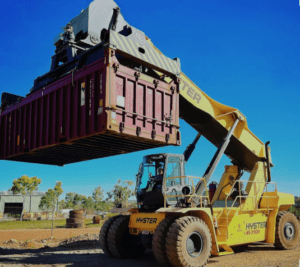
TLILIC0011 Licence to operate a reach stacker (greater than 3 tonnes capacity)
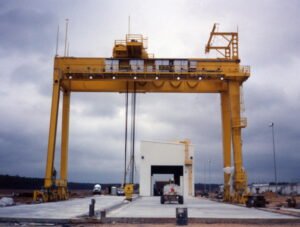
TLILIC0016 Licence to operate a bridge and gantry crane
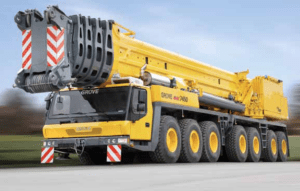
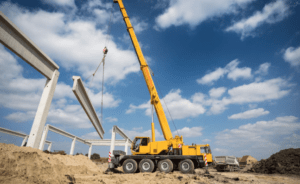
TLILIC0020 Licence to operate a slewing mobile crane (over 100 Tonnes)
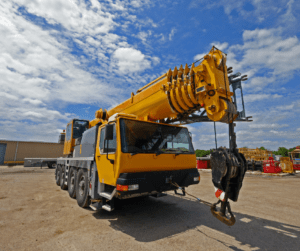
TLILIC0021 Licence to operate a slewing mobile crane (up to 100 Tonnes)
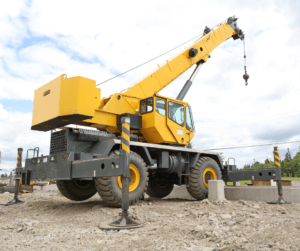
TLILIC0022 Licence to operate a slewing mobile crane (up to 20 tonnes)
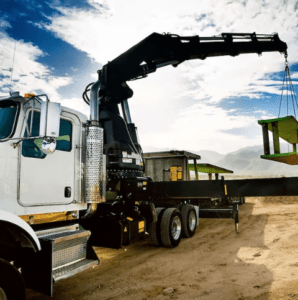
TLILIC0024 Licence to operate a vehicle loading crane (capacity 10 tonnes and above)
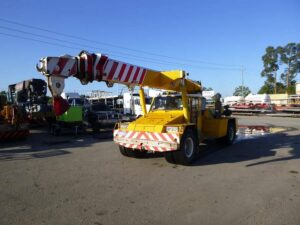
TLILIC0040 Licence to operate a non-slewing mobile crane (greater than 3 tonnes capacity)

This unit specifies the skills and knowledge required to operate a reach stacker with a Maximum Rated Capacity (MRC) exceeding 3 tonnes safely, in accordance with all relevant legislative responsibilities. Competence in this unit, does not in itself result in a HRWL licence to operate this plant.

Reach stacker means a powered reach stacker that incorporates an attachment for lifting and lowering a shipping container.

This unit applies to the activities of a person operating a reach stacker greater than 3 tonnes capacity that incorporates an attachment for lifting, moving and travelling with a shipping container (not including a shore based container handling gantry crane).

A person performing this work is required to hold a reach stacker High-Risk Work Licence (HRWL)

This unit requires a person operating reach stacker with an MRC exceeding 3 tonnes to:

  • plan the work/task
  • prepare for the work/task
  • perform work/task
  • Pack up

This unit specifies the skills and knowledge required to operate bridge cranes and gantry cranes safely. Competence in this unit, does not in itself result in a High-Risk Work Licence (HRWL) to operate this plant.

Bridge crane means a crane that:

  • consists of a bridge beam or beams, that are mounted to end carriages at each end, and
  • can travel along elevated runways, and
  • has one or more hoisting mechanisms arranged to traverse across the bridge.

Gantry crane means a crane that:

  • consists of a bridge beam or beams supported at one or both ends by legs mounted to end carriages, and
  • can travel on supporting surfaces or deck levels, whether fixed or not, and
  • has a crab with one or more hoisting units arranged to travel across the bridge

This unit applies to the activities of a person operating a bridge crane or gantry crane that is:

  • controlled from a permanent cabin or control station on the crane, or
  • remotely controlled and having more than three powered operations.

A person performing this work is required to hold a bridge and gantry crane HRWL.

This unit requires a person operating a bridge crane or gantry crane to:

    • plan for the work/task
    • prepare for the work/task
    • perform work/task
    • pack up.

This unit specifies the skills and knowledge required to safely operate a slewing mobile crane with a Maximum Rated Capacity (MRC) over 100 tonnes in accordance with all relevant legislative responsibilities. Competence in this unit, does not in itself result in a High-Risk Work Licence (HRWL) to operate this plant.

Slewing mobile crane means a mobile crane incorporating a boom or jib that can be slewed, but does not include:

  • a front-end loader, or
  • a backhoe, or
  • an excavator, or
  • other earth moving equipment, when configured for crane operation.

A person performing this work is required to hold a slewing mobile crane with an MRC over 100 tonnes HRWL.

This unit requires a person operating a slewing mobile crane with an MRC over 100 tonnes to:

  • plan for the work/task
  • prepare for the work/task
  • perform work/task
  • pack up.

    This unit specifies the skills and knowledge required to safely operate a slewing mobile crane with a Maximum Rated Capacity (MRC) up to 100 tonnes, in accordance with all relevant legislative responsibilities. Competence in this unit, does not in itself result in a High-Risk Work Licence (HRWL) to operate this plant.

    Slewing mobile crane means a mobile crane incorporating a boom or jib that can be slewed, but does not include:

    • a front-end loader, or
    • a backhoe, or
    • an excavator, or
    • other earth moving equipment, when configured for crane operation.

    A person performing this work is required to hold a slewing mobile crane with an MRC up to 100 tonnes HRWL.

    This unit requires a person operating a slewing mobile crane with an MRC up to 100 tonnes to:

      • plan for the work/task
      • prepare for the work/task
      • perform work/task
      • pack up.

    This unit specifies the skills and knowledge required to safely operate a slewing mobile crane with a Maximum Rated Capacity (MRC) up to 20 tonnes in accordance with all relevant legislative responsibilities. Competence in this unit, does not in itself result in a High-Risk Work Licence (HRWL) to operate this plant.

    Slewing mobile crane means a mobile crane incorporating a boom or jib that can be slewed, but does not include:

    • a front-end loader, or
    • a backhoe, or
    • an excavator, or
    • other earth moving equipment, when configured for crane operation.

    A person performing this work is required to hold a slewing mobile crane with a MRC up to 20 tonnes HRWL.

    This unit requires a person operating a slewing mobile crane with an MRC up to 20 tonnes to:

    • plan for the work/task
    • prepare for the work/task
    • perform work/task
    • pack up.

    This unit specifies the skills and knowledge required to safely operate a vehicle loading crane with a Maximum Rated Capacity (MRC) of 10 metre tonnes or more. Competence in this unit, does not in itself result in a High-Risk Work Licence (HRWL) to operate this plant.

    Vehicle loading crane means a crane mounted on a vehicle for loading and unloading the vehicle.

    A person performing this work is required to hold a vehicle loading crane HRWL.

    This unit requires a person operating a slewing vehicle loading crane with a MRC of 10 metre tonnes or more to:

    • plan for the work/task
    • prepare for the work/task
    • perform work/task
    • pack up.

    This unit specifies the skills and knowledge required to operate a non-slewing mobile crane with a Rated Capacity (RC) exceeding three tonnes safely, in accordance with all relevant legislative responsibilities. Competence in this unit, does not in itself result in a High Risk Work Licence (HRWL) to operate this plant. Competence in this unit does not allow for driving an articulated mobile crane on a main or public road. In order to drive on a main or public road, a valid heavy vehicle licence, issued by a transport regulator, is required.

    Non-slewing mobile crane means a mobile crane incorporating a boom or jib that cannot be slewed, and includes:

    • an articulated mobile crane
    • a locomotive crane
    • but does not include vehicle tow trucks.

    A person performing this work is required to hold a non-slewing mobile crane HRWL.

    This unit requires a person operating non-slewing mobile crane with an RC exceeding three tonnes to:

    • plan the work/task
    • prepare for the work/task
    • perform work/task
    • prepare to drive an articulated mobile crane on road
    • drive an articulated mobile crane
    • pack up.

    CPCCLRG3002 Licence to perform rigging intermediate level

    rigging
    rigging rb ri

    CPCCLRG3002 Licence to perform rigging intermediate level

    Course Overview
    Performance criteria
    Duration and Cost
    What You Need To Know
    Assessment
    Re-Assessment
    Licences and Certification
    Cancellations and Withdrawals
    HRWL – Application
    Location
    What to Bring
    Resources Provided
    Your Rights & Obligations

    This unit specifies the skills and knowledge required to safely perform intermediate rigging work.

    Riggers use mechanical load shifting equipment and associated gear to move, place or secure loads, including plant, equipment or members of a building or structure. Riggers ensure the stability of those members and set up and dismantle cranes and hoists.

    This unit includes rigging work involving:

    • hoists with jibs and self-climbing hoists
    • cranes, conveyors, dredges and excavators
    • tilt slabs
    • demolition of structures or plant
    • multiple lifts.

    Rigging work is undertaken in construction and other industries where load shifting equipment is used to move, place or secure loads.

    Completion of the general construction induction training program, specified in the Safe Work Australia model Code of Practice: Construction Work, is required by anyone carrying out construction work. Achievement of CPCCWHS1001 Prepare to work safely in the construction industry meets this requirement.

    This unit has a pre-requisite requirement. This requirement may be met by either the successful completion of the unit CPCCLRG3001 Licence to perform rigging basic level or holding a valid licence for dogging.

    Intermediate Rigging Course – CPCCLRG3002
     Takes a step up from basic rigging course with more advanced safety apparatus;
    To demonstrate competency in this unit, a candidate must meet the elements and performance criteria by safely performing rigging tasks at an intermediate level, including:

    • undertaking a multiple-crane lift of a load of at least 1 tonne and at least 4 m long
    • erect and dismantle one of the following:
      • a tower crane section
      • crane lattice boom section
      • a fly jib on a mobile slewing
      • a non-guyed tower crane.
    • installing and removing a three-panel structure, with each panel being at least 4 m high, at least 2 m wide and at least 1.5 tonnes
    • using the following bends and hitches:
      • round turn
      • two half-hitches.

    The candidate must:

    • check relevant workplace information, including safe work method statements (SWMSs) and equipment service and maintenance records and checklists
    • perform all activities in compliance with workplace-specific, safe work and manufacturer requirements
    • identify hazards and use appropriate risk controls and safety measures and equipment
    • use the following associated gear:
      • tag lines
      • flexible steel wire rope (FSWR)
      • chains
      • wire and synthetic slings
      • shackles
      • wedge sockets
      • eye bolts
      • rope grips
      • turnbuckles
      • chain blocks
      • sheaves
      • spreader bars or lifting beams
      • snatch blocks
      • lifting clutches
    • safely erect and dismantle structures and plant.


    • CPCCLRG3002 – Licence to perform rigging intermediate level; 4 days including SafeWork NSW assessment
    • $1,700.00
    • Must have current dogging licence
    • All students must pass a language, literacy & numeracy assessment (LLN)
    • Minimum 18 years of age (Workplace Health and Safety requirement)
    • PPE is required including safety boots and a hi-vis shirt
    • Identification must be the originals and not laminated,
    • 100 points Safework NSW EOI – SW08446-0718-423971.pdf
      • Three (3) assessments will be conducted over the duration of the course – (formative assessment) Knowledge, Calculations and Practical Assessments.
      • On the last day of the course a summative assessment will be conducted by an approved State regulatory body assessor (e.g. Safe Work NSW) All critical components must be demonstrated and answered correctly.
      • Applicants deemed not yet competent will be provided the opportunity to undergo further training.
      • Applicants cannot be reassessed for a minimum of 48 hours from the date of the original assessment.
        Note: there may be an extra cost for re-assessment

      These are  Nationally Recognised Training courses and applicants deemed competent at the conclusion of the course will be provided with a Statement of Attainment CPCCLRG3002 – LICENCE TO PERFORM RIGGING INTERMEDIATE LEVEL

      In the event of cancellation or withdrawal:
      • Students who give notice to cancel their enrolment more than 10 days prior to the commencement of a program will be entitled to a full refund of fees paid.
      • Students who give notice to cancel their enrolment less than 10 days prior to the commencement of a program will be entitled to a 75% refund of fees paid. The amount retained (25%) by All Onsite Training and Assessment Services is required to cover the costs of administration and resources which will have already been committed based on the students initial intention to undertake the training.
      • Students who cancel their enrolment within 1 full business day prior program commencement OR after a training program has commenced will not be entitled to a refund of fees.
      • If All Onsite Training and Assessment Services cancels the training course, and is not rescheduling then a full refund will be returned to the payer

      Apply for a new licence or class

      You will need to go to a participating Australia Post in person to apply. You need to do this within 60 days of receiving your Notice of Satisfactory Assessment from your SafeWork NSW assessor.

      You will need to take:

      • your Notice of Satisfactory Assessment form
      • a completed Application for a National Licence to Perform High Risk Work – New Application form (N5 form provided by your SafeWork NSW assessor). Do not sign this form, you need to sign it at Australia Post
      • passport-quality photograph
      • proof of identity. See evidence of identity information sheet (PDF, 109.92 KB)
      • any current high risk work licences
      • payment method (view the cost in the fee schedule).

      Training/assessment can be conducted at AOTA Training Facility – 275a Princess Highway, Unanderra NSW 

      All equipment
      All courseware and handouts

      Please refer to the AOTA Student Handbook through the Student Info Menu , as well as:

        Rigging Intermediate Level

        rigging
        rigging rb ri

        CPCCLRG3002 Licence to perform rigging intermediate level

        Course Overview
        Performance criteria
        Duration and Cost
        What You Need To Know
        Assessment
        Re-Assessment
        Licences and Certification
        Cancellations and Withdrawals
        HRWL – Application
        Location
        What to Bring
        Resources Provided
        Your rights & Obligations

        This unit specifies the skills and knowledge required to safely perform intermediate rigging work.

        Riggers use mechanical load shifting equipment and associated gear to move, place or secure loads, including plant, equipment or members of a structure. Riggers ensure the stability of those members and set up and dismantle hoists.

        This unit applies to rigging work involving:

        • structural steel erection
        • hoists
        • pre-cast concrete members of a structure
        • safety nets and static lines
        • mast climbing work platforms
        • perimeter safety screens and shutters
        • cantilevered crane loading platforms.

        Rigging work is undertaken in construction and other industries where load shifting equipment is used to move, place or secure loads.

        Completion of the general construction induction training program, specified in the Safe Work Australia model Code of Practice: Construction Work, is required by anyone carrying out construction work. Achievement of CPCCWHS1001 Prepare to work safely in the construction industry meets this requirement.

        This unit has a pre-requisite requirement. PCCLRG3001 Licence to perform rigging basic level or holding a valid licence for basic rigging

        Intermediate Rigging Course – CPCCLRG3002
         Takes a step up from Rigging Basic Level with more advanced safety apparatus and includes;
        To demonstrate competency in this unit, a candidate must meet the elements and performance criteria by safely performing rigging tasks at an intermediate level, including:

        • undertaking a multiple-crane lift of a load of at least 1 tonne and at least 4 m long
        • erect and dismantle one of the following:
          • a tower crane section
          • crane lattice boom section
          • a fly jib on a mobile slewing
          • a non-guyed tower crane.
        • installing and removing a three-panel structure, with each panel being at least 4 m high, at least 2 m wide and at least 1.5 tonnes
        • using the following bends and hitches:
          • round turn
          • two half-hitches.

        The candidate must:

        • check relevant workplace information, including safe work method statements (SWMSs) and equipment service and maintenance records and checklists
        • perform all activities in compliance with workplace-specific, safe work and manufacturer requirements
        • identify hazards and use appropriate risk controls and safety measures and equipment
        • use the following associated gear:
          • tag lines
          • flexible steel wire rope (FSWR)
          • chains
          • wire and synthetic slings
          • shackles
          • wedge sockets
          • eye bolts
          • rope grips
          • turnbuckles
          • chain blocks
          • sheaves
          • spreader bars or lifting beams
          • snatch blocks
          • lifting clutches
        • safely erect and dismantle structures and plant.


        • CPCCLRG3002 – Licence to perform rigging Intermediate level (Including On-line Training) – 4 days including SafeWork NSW assessment
        • $1,700.00

          Please note that you may be eligible for the “Smart and Skilled Program” fee free government subsidies. To find out if you qualify, contact one of our team or go to our program info page here

          • Must have current dogging licence
          • All students must pass a language, literacy & numeracy assessment (LLN)
          • Minimum 18 years of age (Workplace Health and Safety requirement)
          • PPE is required including safety boots and a hi-vis shirt
          • Identification must be the originals and not laminated,
          • 100 points Safework NSW EOI – SW08446-0718-423971.pdf

          We currently have a Smart and Skilled contract with Training Services NSW. This means that if you meet the eligibility criteria, we can give you subsidised training.To find out more download our student information handbook.. or contact one of our team members.

            • Three (3) assessments will be conducted over the duration of the course – (formative assessment) Knowledge, Calculations and Practical Assessments.
            • On the last day of the course a summative assessment will be conducted by an approved State regulatory body assessor (e.g. Safe Work NSW) All critical components must be demonstrated and answered correctly.
            • Applicants deemed not yet competent will be provided the opportunity to undergo further training.
            • Applicants cannot be reassessed for a minimum of 48 hours from the date of the original assessment.
              Note: there may be an extra cost for re-assessment

            These are  Nationally Recognised Training courses and applicants deemed competent at the conclusion of the course will be provided with a Statement of Attainment CPCCLRG3002 – LICENCE TO PERFORM RIGGING INTERMEDIATE LEVEL

            In the event of cancellation or withdrawal:
            • Students who give notice to cancel their enrolment more than 10 days prior to the commencement of a program will be entitled to a full refund of fees paid.
            • Students who give notice to cancel their enrolment less than 10 days prior to the commencement of a program will be entitled to a 75% refund of fees paid. The amount retained (25%) by All Onsite Training and Assessment Services is required to cover the costs of administration and resources which will have already been committed based on the students initial intention to undertake the training.
            • Students who cancel their enrolment within 1 full business day prior program commencement OR after a training program has commenced will not be entitled to a refund of fees.
            • If All Onsite Training and Assessment Services cancels the training course, and is not rescheduling then a full refund will be returned to the payer

            Apply for a new licence or class

            You will need to go to a participating Australia Post in person to apply. You need to do this within 60 days of receiving your Notice of Satisfactory Assessment from your SafeWork NSW assessor.

            You will need to take:

            • your Notice of Satisfactory Assessment form
            • a completed Application for a National Licence to Perform High Risk Work – New Application form (N5 form provided by your SafeWork NSW assessor). Do not sign this form, you need to sign it at Australia Post
            • passport-quality photograph
            • proof of identity. See evidence of identity information sheet (PDF, 109.92 KB)
            • any current high risk work licences
            • payment method (view the cost in the fee schedule).

            Training/assessment can be conducted at AOTA Training Facility – 275a Princess Highway, Unanderra NSW 

            All equipment
            All courseware and handouts

            Please refer to the AOTA Student Handbook through the Student Info Menu , as well as: